The packing slip arrives mid-service.
Signed on the fly, it ends up in a drawer. Three days later the invoice doesn't add up and nobody knows why.
Chains, groups, several outlets: write to us and we'll show you how to run them all from a single login.
Contact usOrders, packing slips, labels, food cost. Ordinoo does them overnight and leaves you three things to decide. You cook.
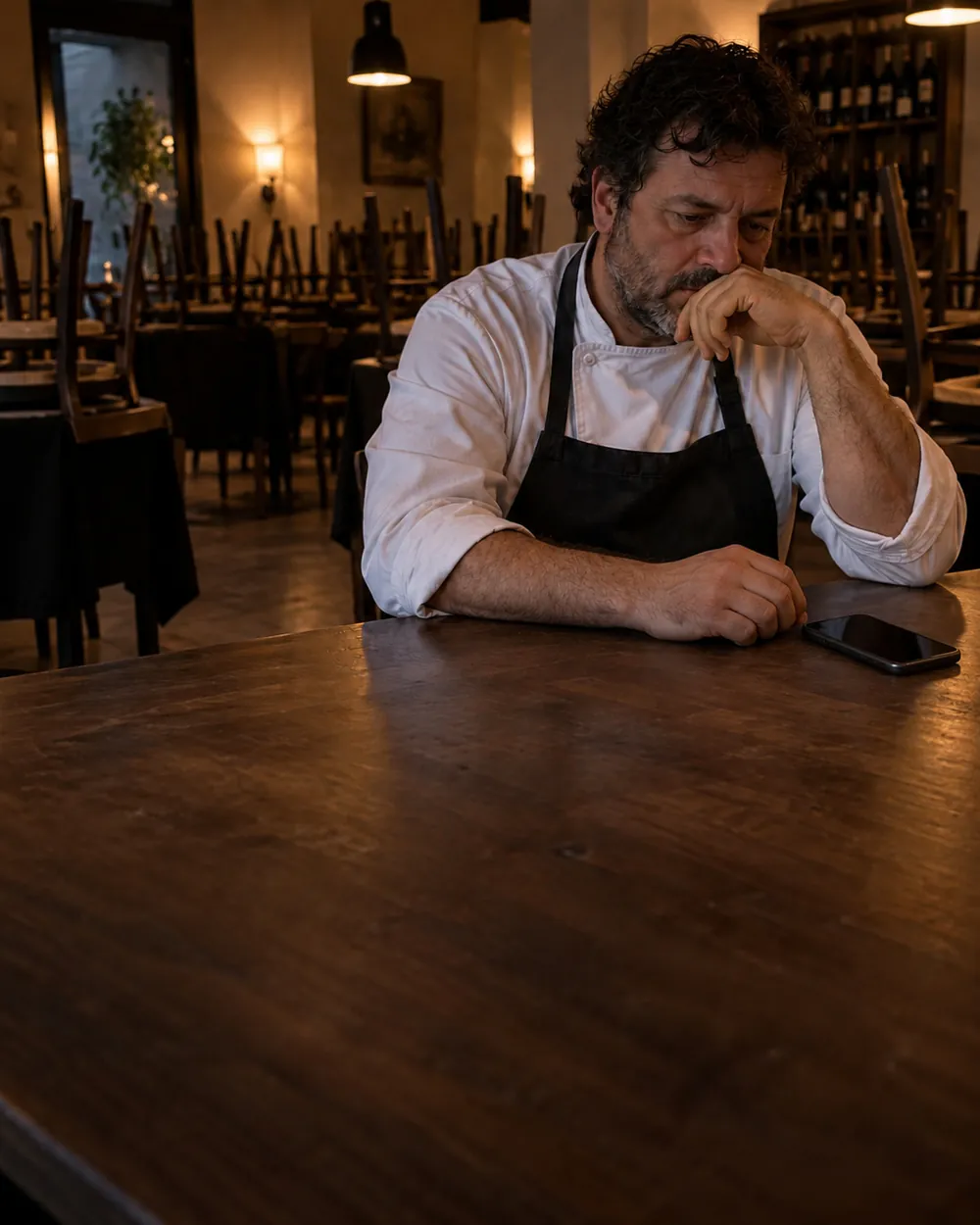
Signed on the fly, it ends up in a drawer. Three days later the invoice doesn't add up and nobody knows why.
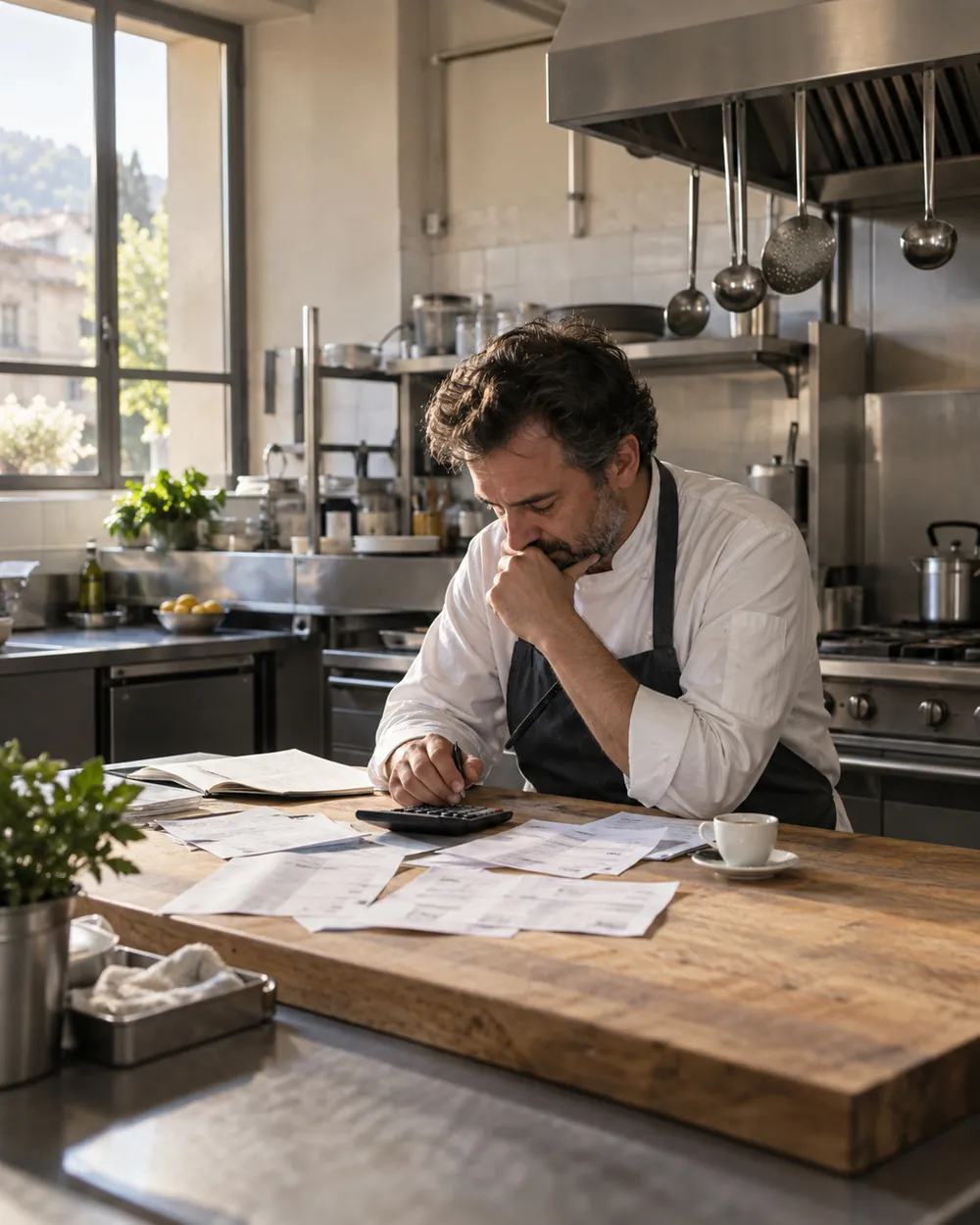
Tomatoes went up in March, you find out in June from the accountant. The price on the menu is still the same.
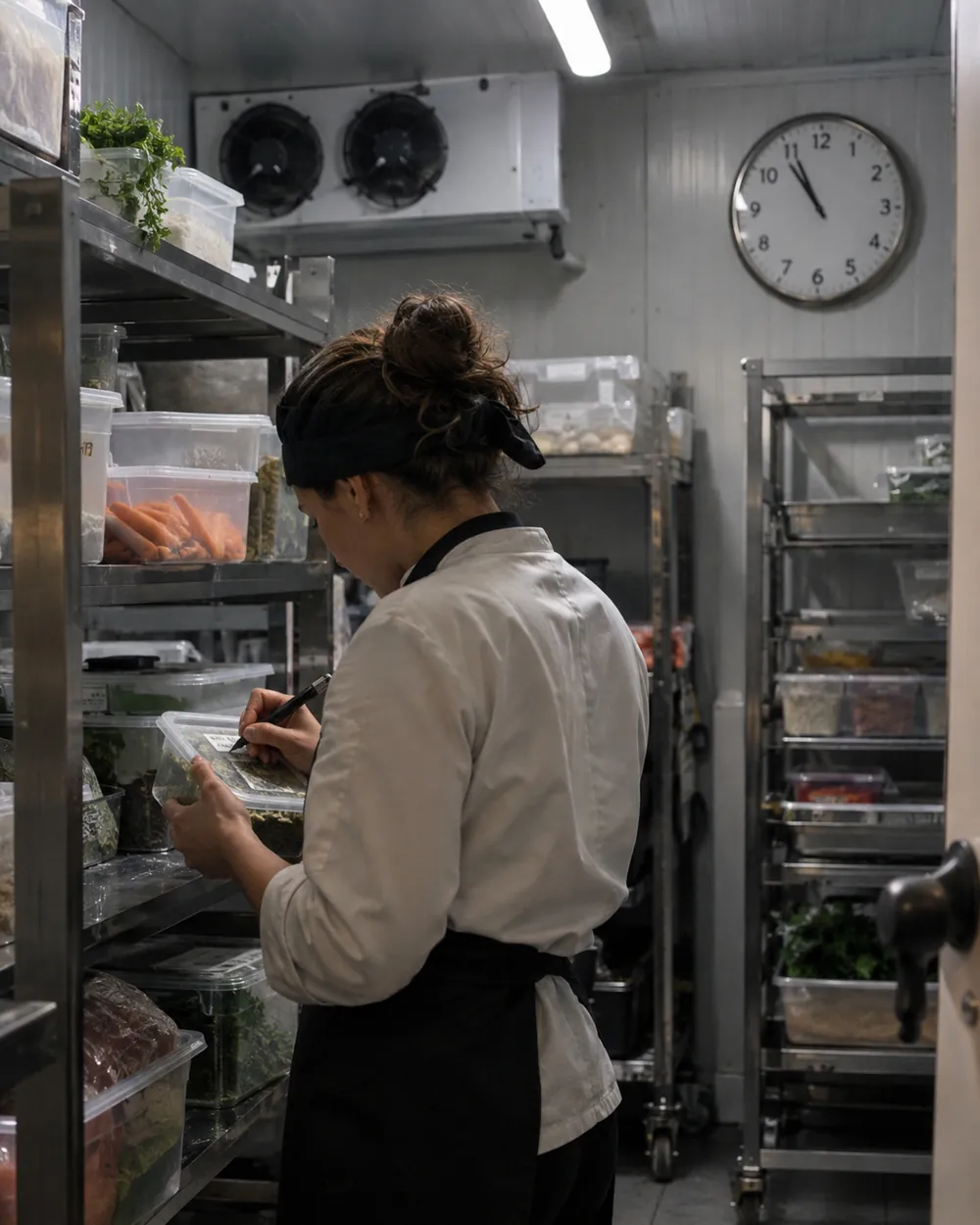
Batch, date, use-by written by hand on twenty containers. And the health inspection asking for the logs.
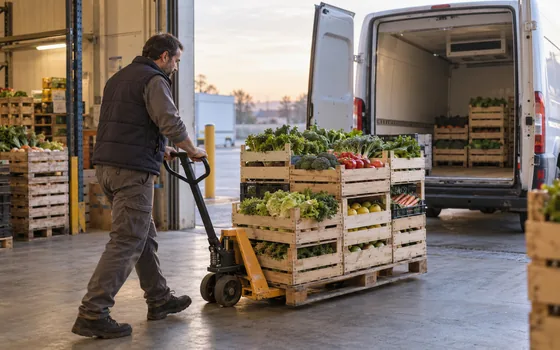
The list the way you'd say it out loud, or a photo: it splits by vendor, with minimums and deliveries respected. The photographed packing slip loads the inventory and is compared with the order.
"Ten cases of peeled tomatoes, six bunches of basil": Ordinoo understands, groups, prepares.
Photographed at the counter: lines read, quantities compared with the order, inventory updated.
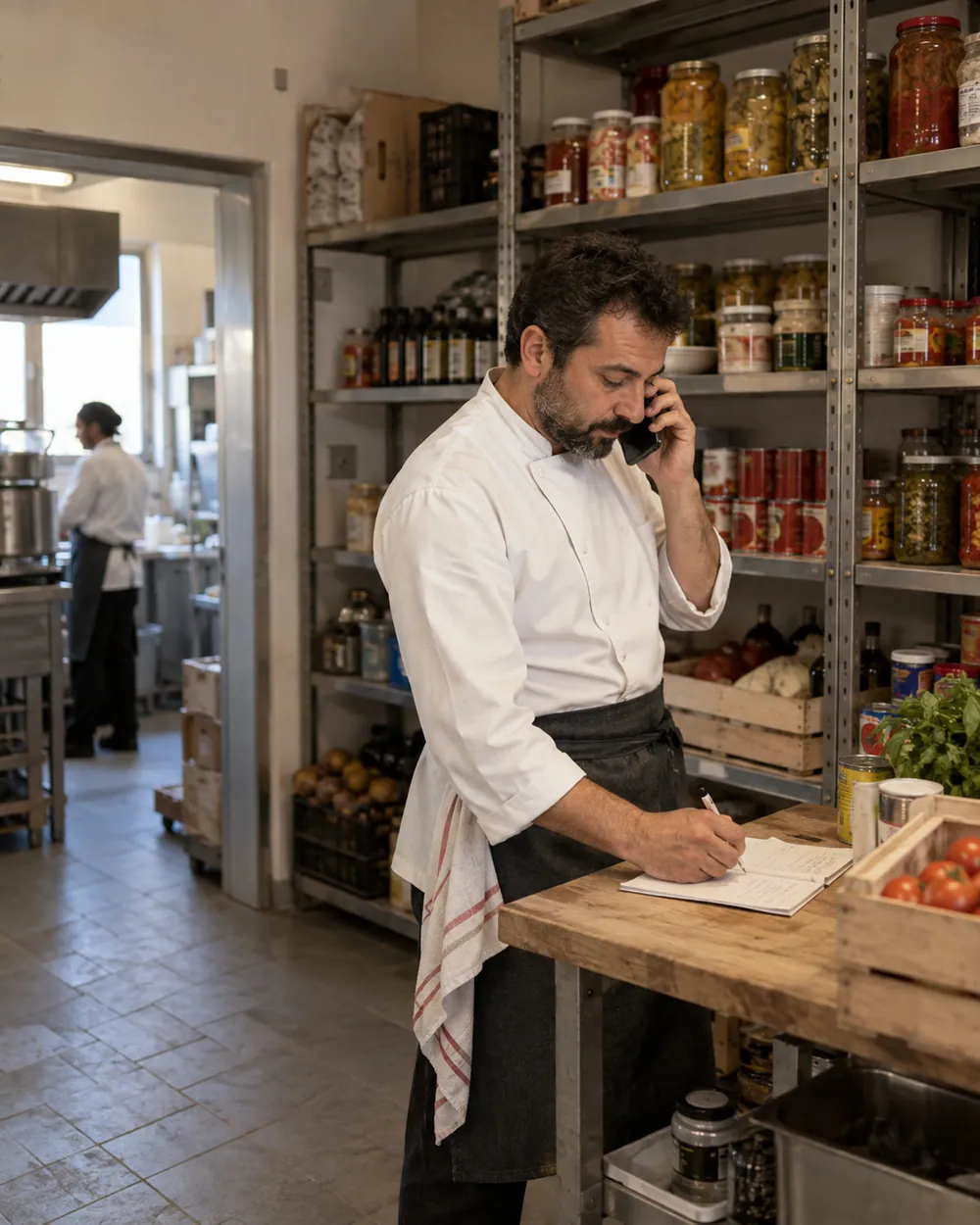
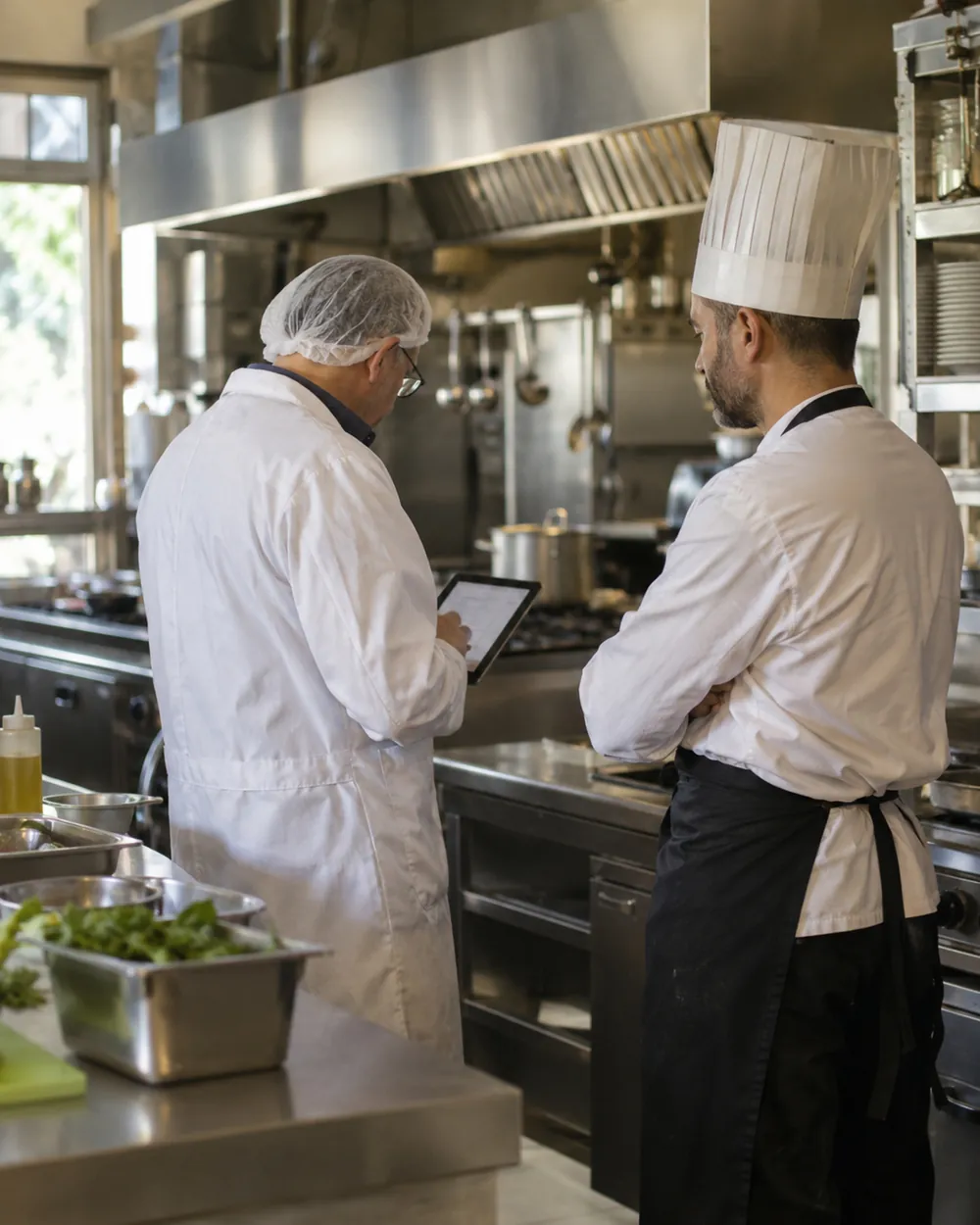
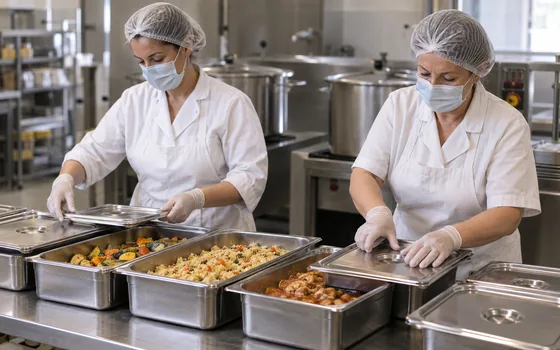
Labels with batch and use-by calculated, temperatures with out-of-range alerts, cleaning ticked off in one tap. The export for inspection is already ready.
Batch, date and use-by calculated from the product. You print and stick.
The temperature log fills itself in; the alert comes when needed.
The cost of every dish updated as price lists move, with a suggested price when the margin drops. Not at month-end: when it happens.
Ingredients, quantities, allergens. Even from a description.
When an ingredient goes up, the carbonara tells you before the accountant does.
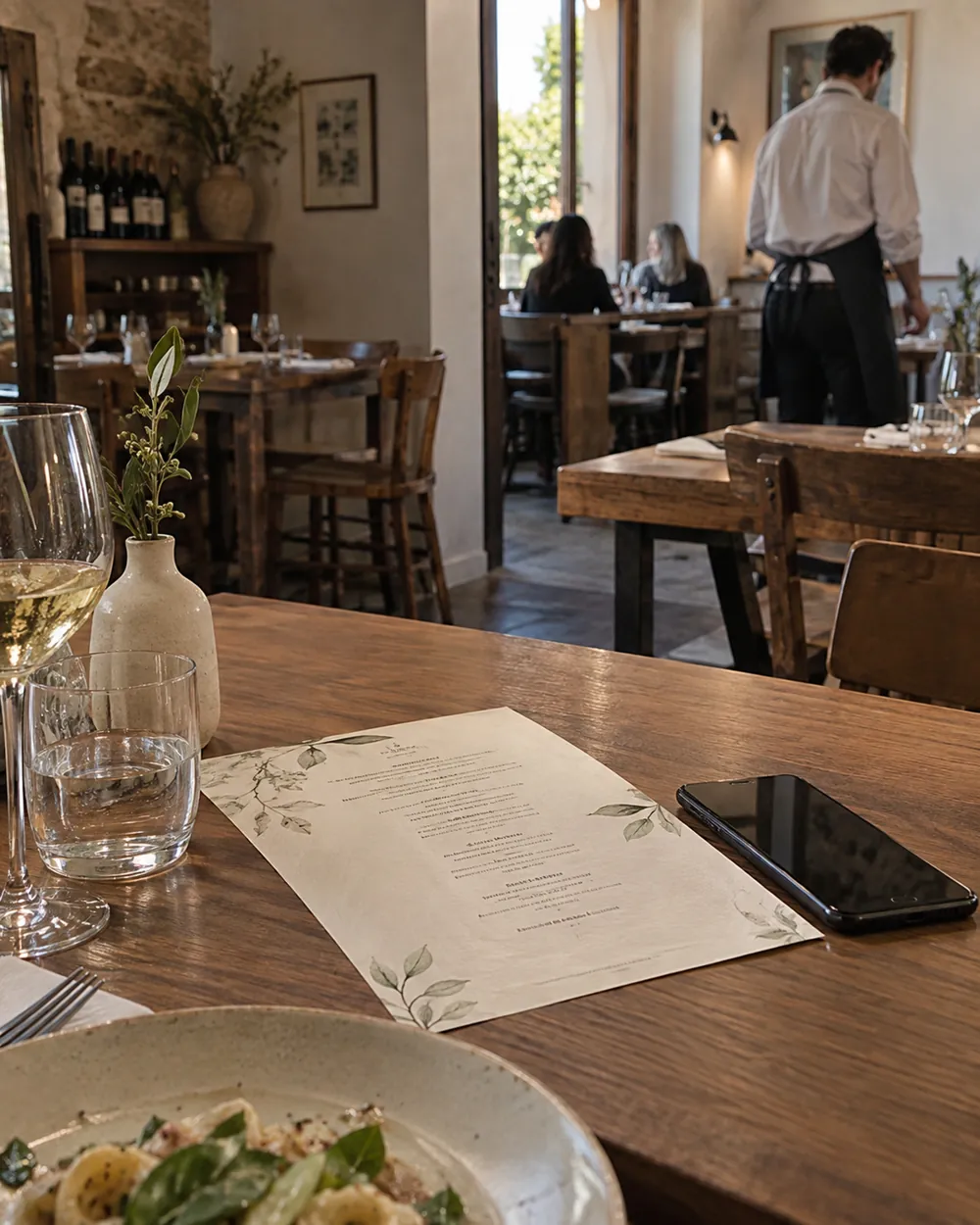
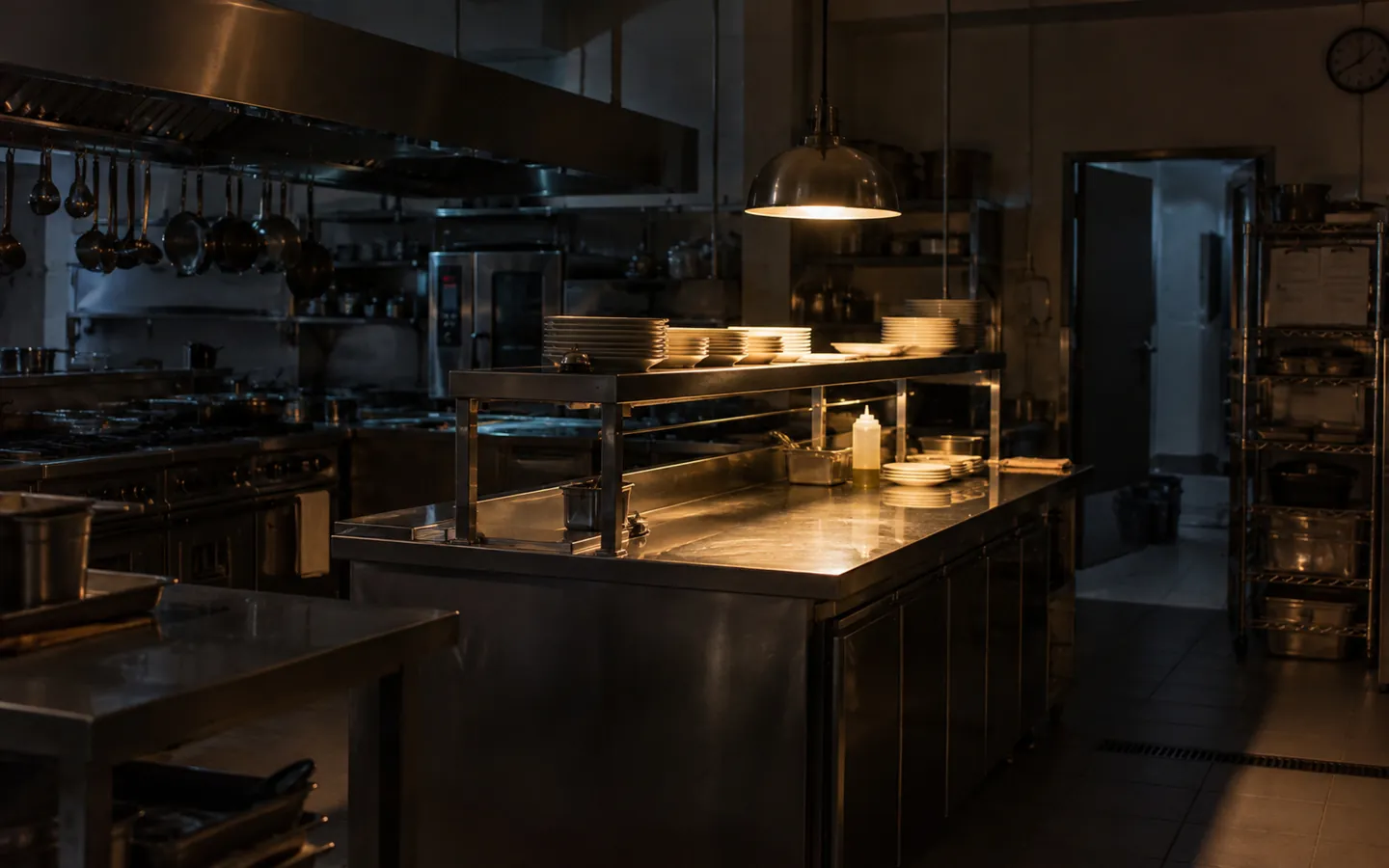
Sales, spend, food cost and three things to decide. One page, ready before your coffee.
Orders, HACCP and food cost are the starting point. Everything else works on the same data.
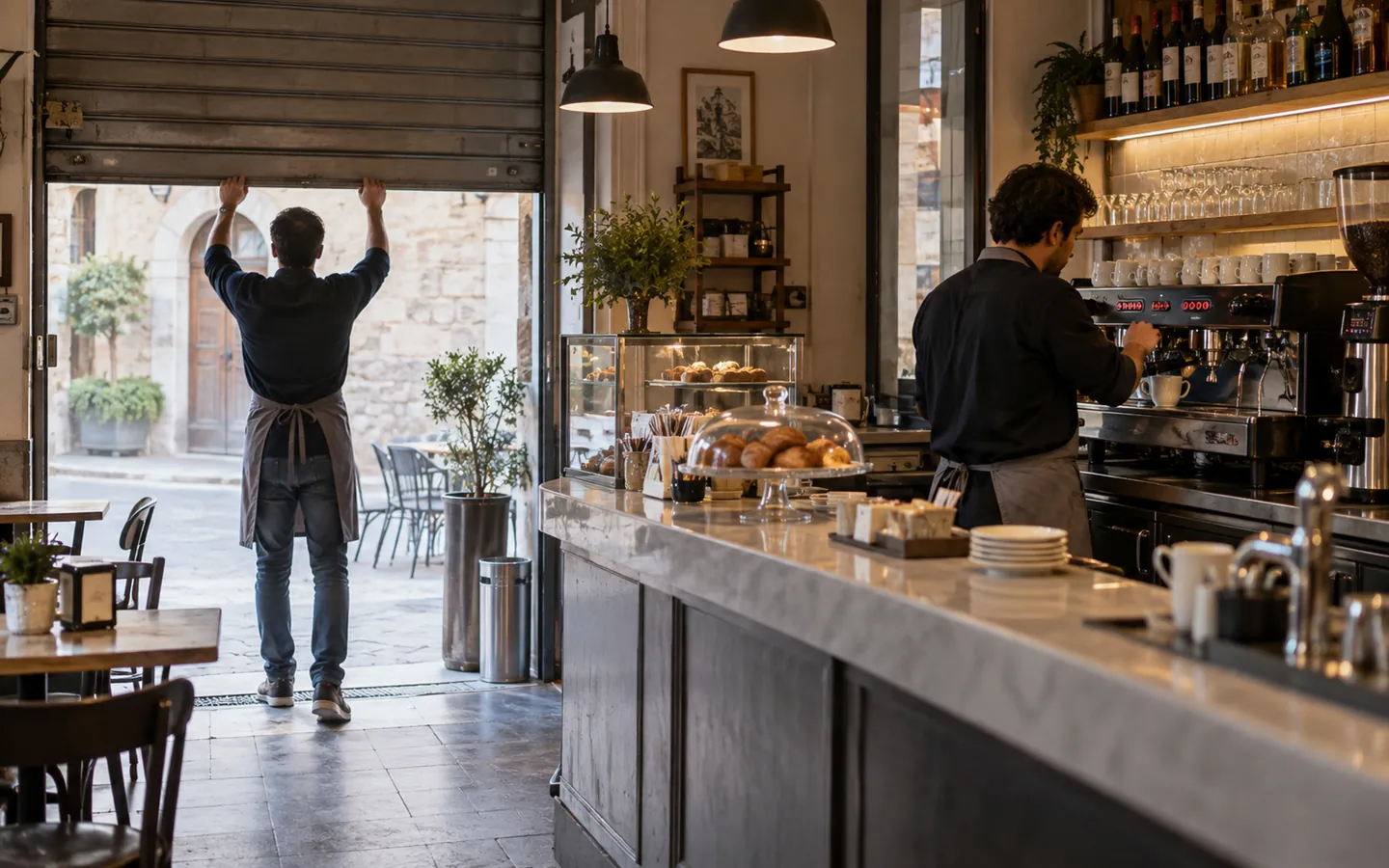
Consumption is taken out from the closing, coffee and milk have par levels, the food cost is on the cocktail. Same system, a different rhythm.
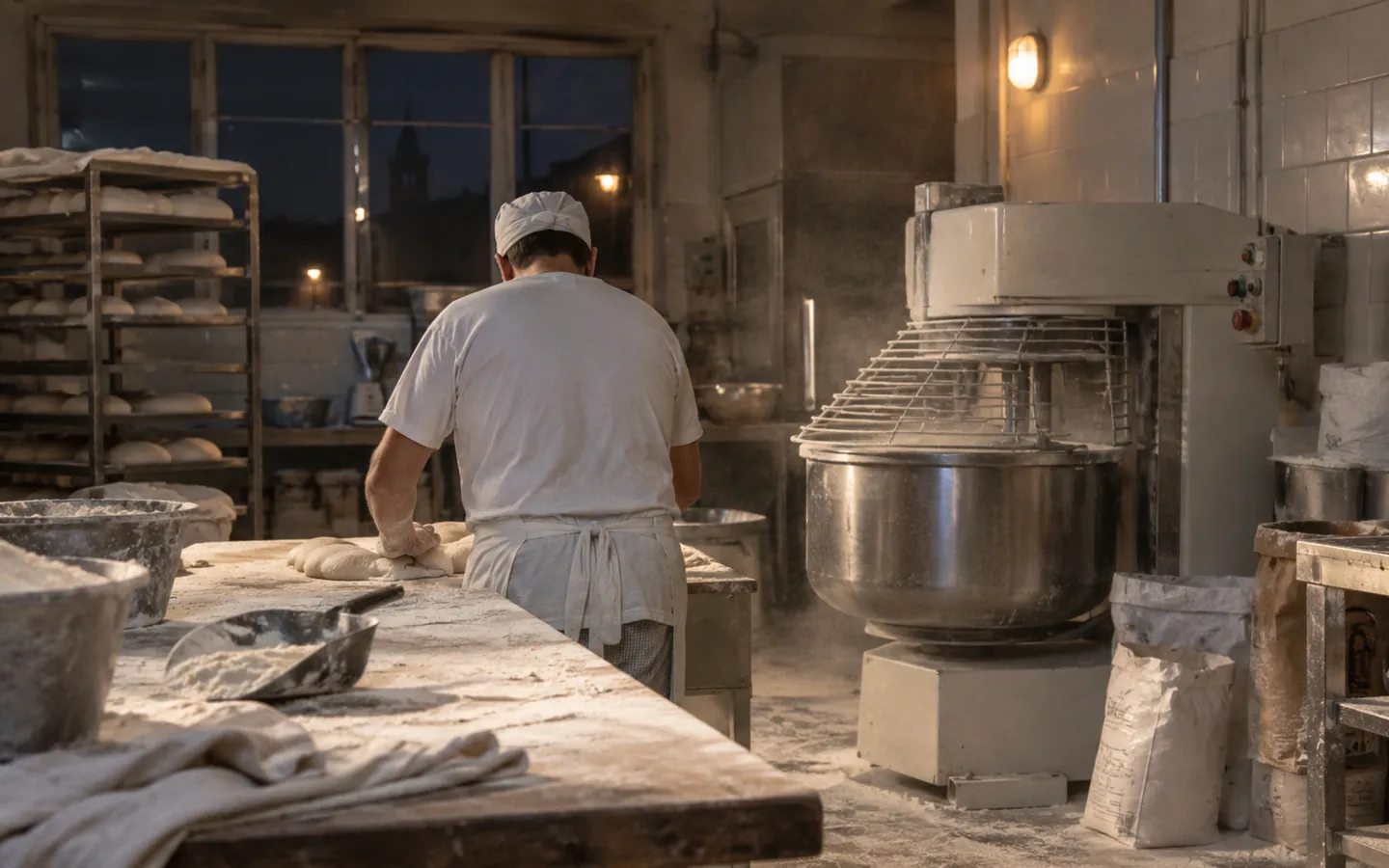
The recipe book with portion weights, the batches that really count, HACCP on production and not just at the counter. And flour with a par level.
Ordinoo prepares, proposes and keeps everything in order. But every step that counts, sending, confirming, signing, is yours.
OrdinooPrepares orders and messages, ready to send.
YouYou read, correct, send.
OrdinooTells you what's due and proposes moving it.
YouEvery payment is made by you.
OrdinooFills in temperatures and cleaning, keeps everything in order.
YouSignature and responsibility stay yours.
No. Ordinoo reads the midnight closing from the POS you already have, and we know most of the ones on the market. If yours isn't among them, we find out in the demo and tell you right away how it can be done, before you decide anything.
It happens often with small vendors, and it's not a problem. The packing slip photographed at the counter is enough to load the inventory with the right quantities. When the invoice arrives, even weeks later and even on paper, it links on its own to the packing slips that came before it and flags you if the prices don't add up.
Yes. Batch, date and use-by are calculated from the product and the opening date, and the label comes out on any label printer compatible with the phone, the kind that costs less than a dinner. In the demo we tell you which ones we've tested and which ones other restaurants use.
Ten minutes in the morning, for the three things it leaves you to decide: a packing slip that doesn't add up, a price that went up, an order to confirm. The rest it does overnight, while the place is closed. Those who use it tell us the time they get back is mostly on Sunday, when they no longer have to sit down with the accounts.
That's the restaurant it was born for. With thirty covers and four people in the kitchen, every hour spent on paperwork is an hour taken from service or from sleep. The fewer people you have, the more the time it gives back matters, and the food cost of a mispriced dish weighs the same as in a big place.
We connect the POS and the invoice inbox, and the next morning we open your report: sales, food cost, the things to decide.
Free and with no commitment. If it's not for you, we'll tell you ourselves.